Walk into almost any supplement aisle and you’ll see it:
Curcumin with piperine.
Curcumin is marketed as the “active ingredient” in turmeric, often paired with black pepper extract to increase absorption. But according to traditional herbalism—and modern observation—curcumin is not the same as turmeric, and the difference matters.
The Power of the Whole Plant
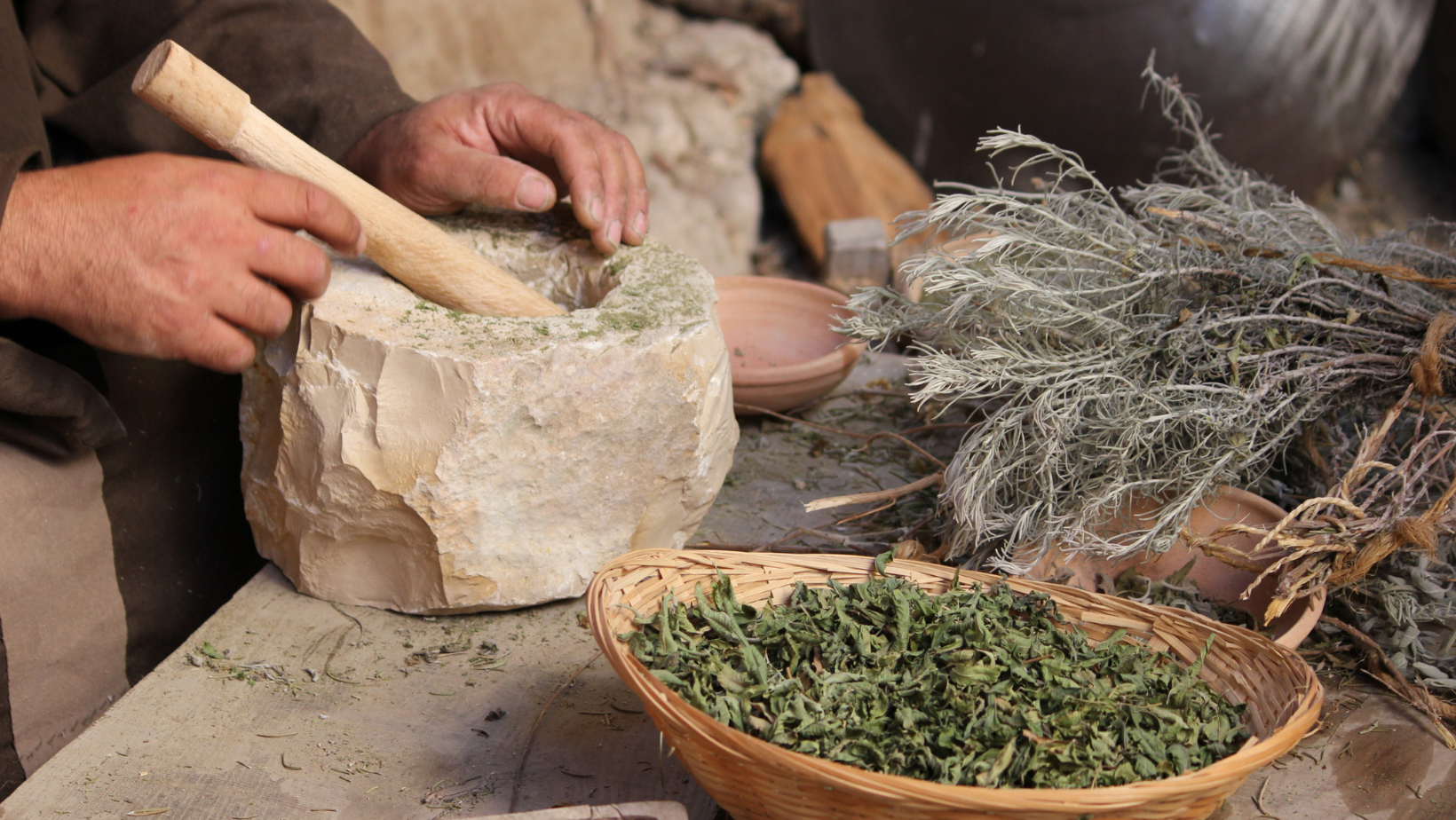
A whole turmeric root contains hundreds of naturally occurring compounds working together as a system. These compounds evolved together, balance one another, and behave differently in the body than a single isolated extract.
When one compound is removed from its original plant matrix, it no longer acts the same way.
This is one of the central principles behind Becki’s preference for whole-herb formulations.
She often explains that separating a compound from the plant it was “born into” can be unpredictable—like spinning a roulette wheel. Sometimes it works as intended. Sometimes it doesn’t. And sometimes it introduces side effects the whole plant never would.
A Classic Example: Willow Bark and Aspirin
One of the clearest examples comes from the history of aspirin.
Originally, people used willow bark tea for pain relief. Later, scientists isolated salicylic acid and began manufacturing aspirin. While effective, aspirin is known to irritate the stomach lining and can contribute to ulcers—an effect so reliable it’s sometimes used therapeutically.
Here’s the paradox:
When someone has a stomach ulcer, one of the traditional herbs used to support healing is meadowsweet, the very plant related to aspirin’s origin. In whole-plant form, it soothes and supports the stomach rather than damaging it.
Same lineage. Completely different outcomes.
Why Becki Uses Whole Herbs in Practice
Instead of curcumin and piperine extracts, Becki uses:
-
Whole turmeric root
-
Whole black pepper
-
Whole ginger
This approach maintains the plant’s natural intelligence and reduces the risk of harsh or drying effects that isolated compounds can create—especially for people with certain constitutions or sensitivities.
It’s not about rejecting modern supplements entirely. It’s about using plants in a way that respects how they actually work.
Choosing Herbs More Wisely
Whole-herb herbalism also pays attention to:
-
Which part of the plant is used (root, leaf, flower, bark)
-
When it’s harvested
-
Whether it’s used fresh or dried
-
How it’s prepared
For example, some herbs—like St. John’s Wort or wild milky oats—offer very different support depending on their form and timing. These details are often lost in mass-market supplements but are central to traditional herbal practice.
A Grounded Way Forward
If you’ve ever taken a supplement that felt too harsh, ineffective, or confusing, the issue may not be the herb itself—but how it was prepared.
Whole herbs tend to work more gently, more intelligently, and in greater harmony with the body.
If you’re unsure what form is right for you—or want guidance choosing whole-herb teas, tinctures, or capsules—Becki offers personalized consultations to help you navigate herbal support safely and effectively.
Ready to learn about the healing power of plans?
Join Becki and the Rootlight Collective for herbal education, product-making classes, and personalized herbal consultations.
Learn how to work with whole herbs to support detoxification, nervous system nourishment, and everyday wellness—using grounded, practical tools you can take home and integrate into daily life.
BECOME A MEMBER
Become a Community Member and receive member benefits.
JOIN OUR COLLECTIVE OF PRACTITIONERS
Are you a practitioner?
Ready to learn about the healing power of plans?
Join Becki and the Rootlight Collective for herbal education, product-making classes, and personalized herbal consultations.
Learn how to work with whole herbs to support detoxification, nervous system nourishment, and everyday wellness—using grounded, practical tools you can take home and integrate into daily life.